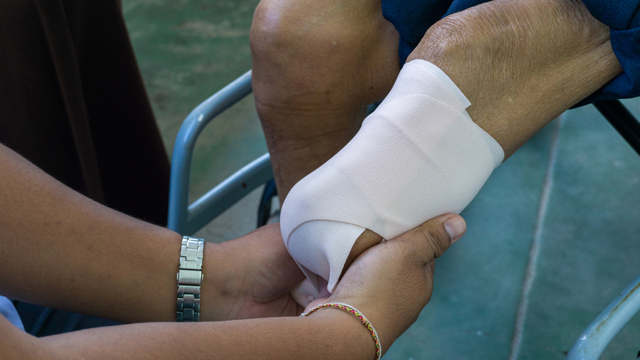
Amputations
Amputation is a surgical procedure to remove a severely damaged, infected, or non-functional limb or part of a limb. It is performed when limb preservation is not possible and is essential to save life, control infection, or relieve severe pain.
When is Amputation Required?
Amputation may be necessary in cases of:
-
Severe trauma or crush injuries
-
Advanced diabetic foot complications
-
Peripheral vascular disease and gangrene
-
Severe infections or non-healing ulcers
-
Bone and soft tissue tumors
-
Congenital limb deformities (selected cases)
Types of Amputations Performed
-
Upper limb amputations
-
Lower limb amputations
-
Partial (toe, finger) amputations
-
Major amputations (below-knee, above-knee, forearm, arm)
Surgical Approach
Each procedure is carefully planned to preserve maximum healthy tissue, ensure proper wound healing, and prepare the limb for future rehabilitation or prosthetic fitting.
Post-Surgery Care & Rehabilitation
Post-operative care includes pain management, wound care, infection prevention, and early rehabilitation support. Patients are guided through physiotherapy and prosthetic options to restore mobility and independence.
Why Choose Us for Amputation Surgery?
-
Experienced surgical and rehabilitation team
-
Multidisciplinary care including vascular and diabetic specialists
-
Focus on limb salvage whenever possible
-
Compassionate, patient-centered approach