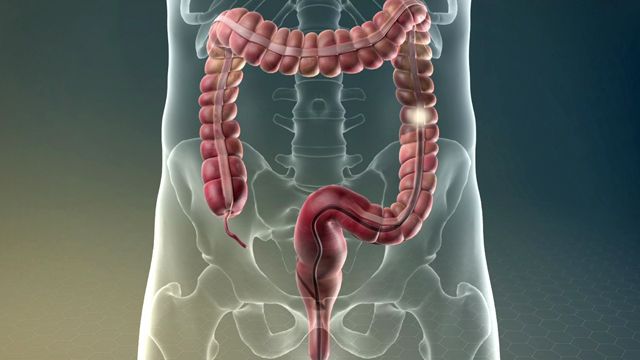
Colonoscopy
Colonoscopy is a diagnostic procedure used to examine the inner lining of the large intestine (colon and rectum). A thin, flexible tube with a camera (colonoscope) is inserted through the rectum to detect abnormalities at an early stage.
When is Colonoscopy Recommended?
Colonoscopy is advised for patients with:
-
Blood in stools
-
Chronic constipation or diarrhea
-
Abdominal pain or unexplained weight loss
-
Iron deficiency anemia
-
Suspected colon polyps or cancer
-
Screening for colorectal cancer
How is the Procedure Performed?
The procedure is usually done under sedation for patient comfort. The colonoscope allows the doctor to view the colon clearly and take biopsies or remove polyps if required. The procedure typically takes 20–30 minutes.
Conditions Diagnosed Using Colonoscopy
-
Colon polyps
-
Colorectal cancer
-
Inflammatory bowel disease (IBD)
-
Diverticular disease
-
Colitis and infections
Benefits of Colonoscopy
-
Early detection and prevention of colon cancer
-
Accurate diagnosis
-
Ability to remove polyps during the same procedure
-
Safe and minimally invasive
Preparation for Colonoscopy
-
Bowel cleansing as prescribed
-
Clear liquid diet before the procedure
-
Follow medication instructions provided by the doctor
Post-Procedure Care
Patients may experience mild bloating temporarily. Normal activities can usually be resumed the same day unless sedation was used.
Why Choose Us for Colonoscopy?
-
Experienced gastroenterologists
-
Advanced endoscopy equipment
-
Safe sedation and patient comfort
-
Accurate diagnosis and expert care
Important-links
Best Laparoscopic Surgeon in RanebennurBest Heria Treatment in Ranebennur
Best Gastrointestinal Surgeon in Ranebennur
Best General Surgeon in Ranebennur
Best Varicose veins Doctor in Ranebennur
Best Doctor for acute Pancreatitis Treatment in Ranebennur
Thyroid Surgeries Doctor in Ranebennur